Traveling Silk Road is a journey through history that is very much alive today !
Request a Quote
www.china-silkroad-travel.com
As the pioneer of the Silk Road, West China (Qinghai, Gansu, and Xinjiang) Inbound tourism since 2005, Xinjiang China International Travel Co.,Ltd has arranged 10000+ travelers to fulfil their life time adventure to this legendary Route with our enthusiasm, passionate and professional work. Take the China Silk Road Tours and extend to Central Asia, tracing the footsteps of Marco Polo and Tang Xuanzang to visit the numerous historical sites which are the symbols of ancient Buddhism Art and thousands of Grottoes. Mysterious Ruins are the Pompeii of the Silk Road. The splendid Landscapes and the colourful folklore of different minorities along the pearl Cities of the Silk Road. During the last 15 years, our China Silk Road Travel Team personally has been visiting all the places every year along this ancient route. We do not rely on any resources but our team always get the authentic information just to satisfy our travelers. Our first priority is to assure our guests to have a safe journey and enjoy with our dedicate arrangements. Besides, we never arrange any compulsory shops for our distinguished clients but arranged a unique culture and local life experience. We are organizing each group very warmly, we know clearly that the operation is routine for us, but for you might be the only time, we try everything to give you the best possible arrangements. Nowadays, it is very convenient and comfortable to travel by express train. You may extend your China Silk Road Tours to Tibet, Yunnan, Uzbekistan, or the other destinations you are interested, we will arrange your China Silk Road Trip based on your requirements. We will look after you as our families and friends. Book your tour with us and get an assurance to have great holidays. Our service is Silk Road Group Tours, Tailor-made Private Silk Road Tours, and Self Drive to China . Your Reliable and Friendly China Tours partner insure you to provide a very excellent services and best prices.
Since 2004, we have sent tens of thousands adventurous and satisfied travellers to Silk Road and West China. Let's follow the footstep's of Marco Polo to discovery this mysterious ancient route. We will tailor-made your perfect China Silk Road Tours and Great Silk Road Tours to Central Asia.
 from $1680
Kashgar-Urumqi-Turpan-Dunhuang-Jiayuguan-Xi'an
Visit famous sunday bazaar in Kashgar, drive along the Karakom highway to Experience the Tajik folklore and Pamir landscape.Turpan as the trade center of the ancient silk road, many historicalsites preserved well becasue of the dry weather,Jiaohe Ruins,visit the local Uighur family.Hights of Dunhuang is the UNESCO Mogao Caves where you will know about the buddism art.camel riding in the crescent lake and sand dune, experience the Chinese traditional culture. wearrange the Tangshow and Dumplin banquet for you.Terra-cotta warriors is must see when you visit China.
View Detailsfrom $1380Lanzhou-Zhangye-Jiayuguan-Dunhuang-Turpan-Urumqi
Mysterious and attractive historical Silk Route in China, Buddhism temples and beautiful Chinese classical architectures and historical ruins as well as the picturesque of Heavenly Lake in Tianshan Mountain Chains.
View Detailsfrom $1050Lanzhou-Zhangye-Jiayuguan-Dunhuang-Turpan-Urumqi
A Lot of Muslim Friends are keen on the Silk Road Tour, their only concern is the food. The destinations of our Silk Road Muslim Tour are very easy to arrange the Muslim food. we delete the grottoes and include the majestic mosques along the cities of the Silk Road. Explore the Muslim Street in Xi'an, Xiguan Mosque in Lanzhou. The higlights is the Tuyoq village in Turpan which is regarded as the Mecca of Xinjiang Muslims for the Saint Tomb of one of the Islamic Pioneers.We will also try to arrange the excellent Muslim Guides for you for better experience.
View Detailsfrom $1550Lanzhou-Zhangye-Jiayuguan-Dunhuang-Turpan-Kashgar-Taxkorgan
Take the Gansu and Xinjiang Tour on national holiday starts from Lanzhou. Top Attractions are Danxia Landform, Mogao Grottoes, and Sunday bazaar in Kashgar. You will also explore the Magnificent Pamir Plateau along the Karakoram Highway.
View Detailsfrom $1980Urumqi-Turpan-Dunhuang-Jiayuguan-Zhangye-Lanzhou-Xining-X'an
This tour will take you to the mysterious and attractive historical Silk Route in China, where you will visit many historical wonders, Buddhism temples and beautiful Chinese classical architectures and historical ruins. Hexi Corridor, refers to the historical route in Gansu province of China. As part of the Nothern Silk Road running northwest from the bank of the Yellow River it was the most important route from North China to the Tarim Basin and Central Asia for traders and the military.
View Detailsfrom $1960Urumqi-Heavenly Lake-Fuyun-Burqin-Kanas-Hemu-Kuitun-Sayram Lake-Yining-Naraty
Northern Xinjiang is a great place with a lot of diversities,Tropical original forest in Altay mt,large pastureland.if you are keen on the photograph and most beautiful pastureland, this is the route you can not miss. barely untouched land, pure Tuwa tibes in Kanas area. please come and join in us!
View Details
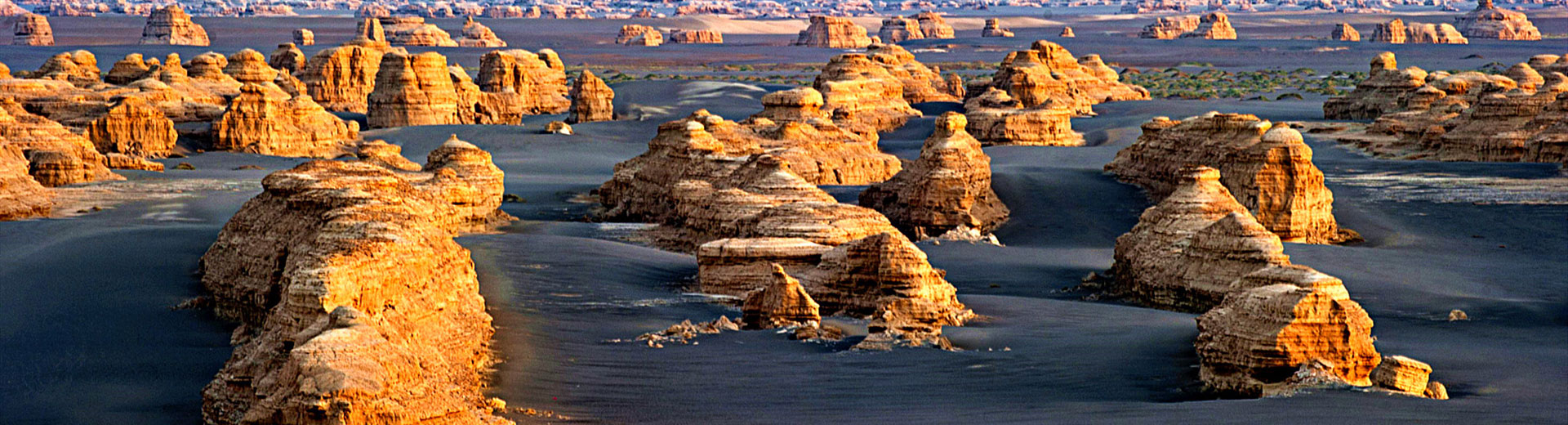
Gansu is located in northwestern China, the upper stream of Yellow River. It is the ideal place to explore Chinese history and culture, and enjoy spectacular landscape and custom.
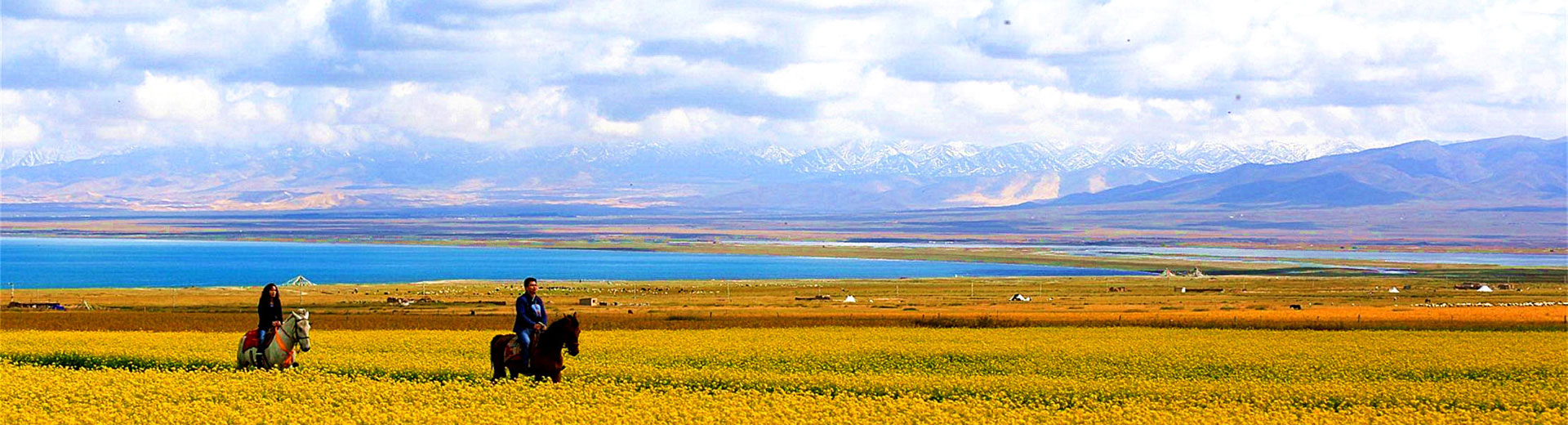
Located on the “Roof of the World”, Qinghai Province
is a mysterious and charming place.
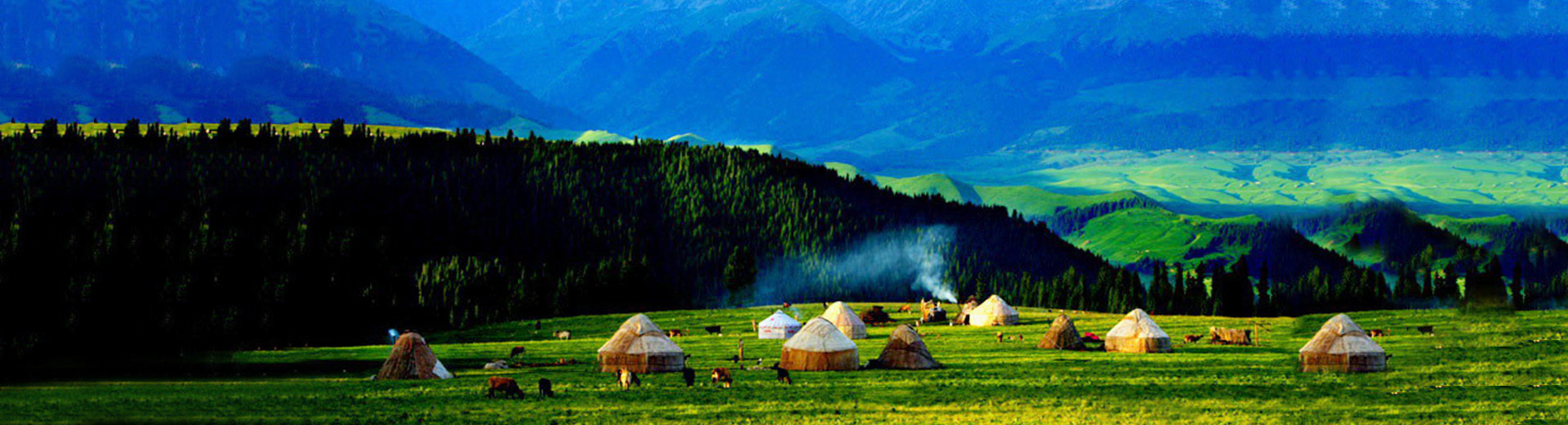
Xinjiang is the center of ancient Silk Road Culture in China. Famous for the majestic natural wonders of North Xinjiang and colorful folklore of different minorities in South Xinjiang.



Xinjiang China Travel is a branch of China Travel Agency Co. Ltd. (established 1987)
China Silkroad Travel Copyright © 2007. All Rights Reserved to Xinjiang China Travel. Design By: TravelCMS
Tourism Operating License: L--XB00212 Urumqi Tourism Bureau: 0991-2843661 We are the China Silk Road Travel Specialists! sitemap